
TOP 10 QUESTIONS NEW BUSINESS OWNERS ASK
Starting a business comes with many questions, especially for first-time entrepreneurs. Here are some of the most common ones.
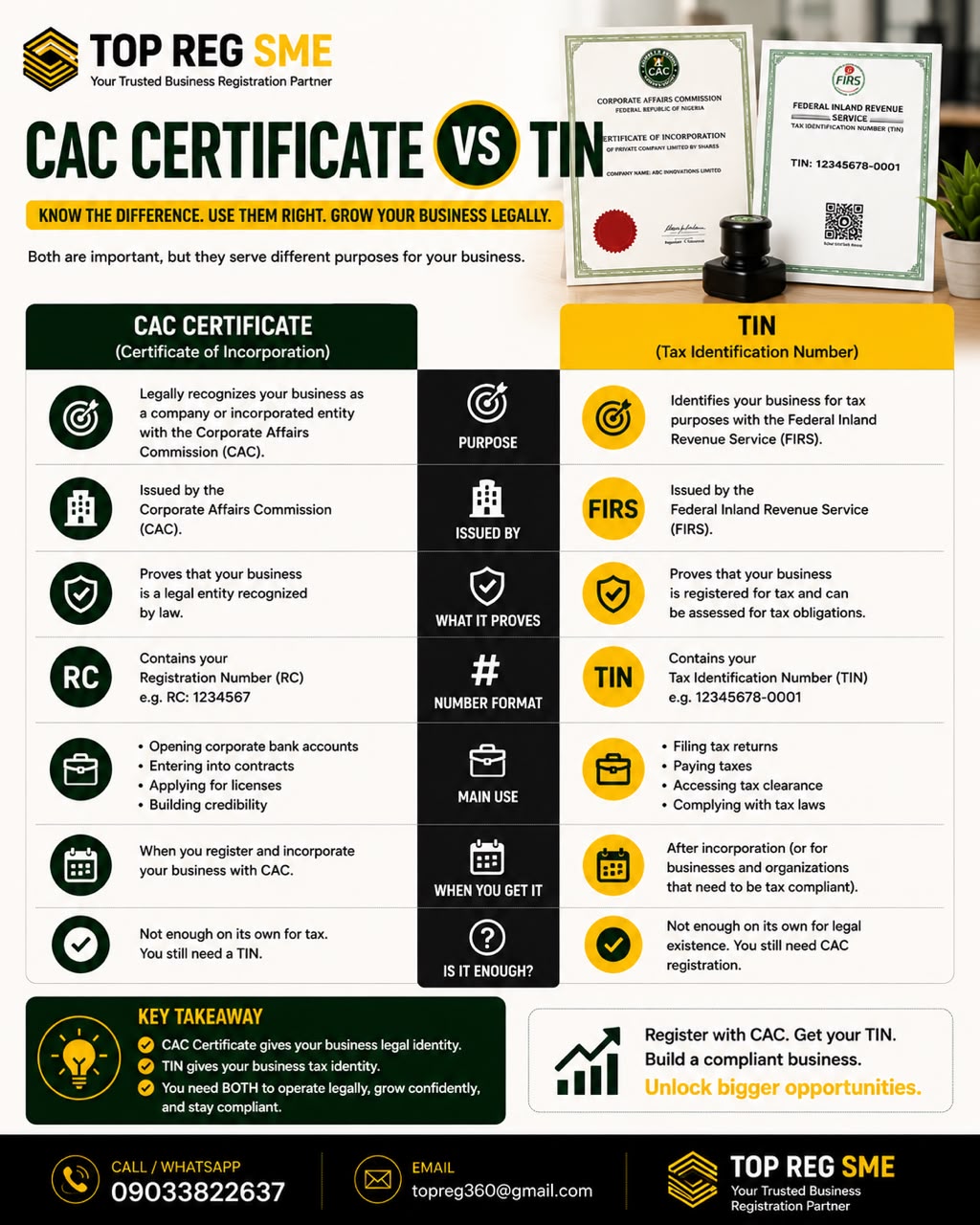
The Difference Between CAC Certificate and TIN
Many business owners assume that a CAC Certificate and a Tax Identification Number (TIN) serve the same purpose. While both are important, they perform different functions.
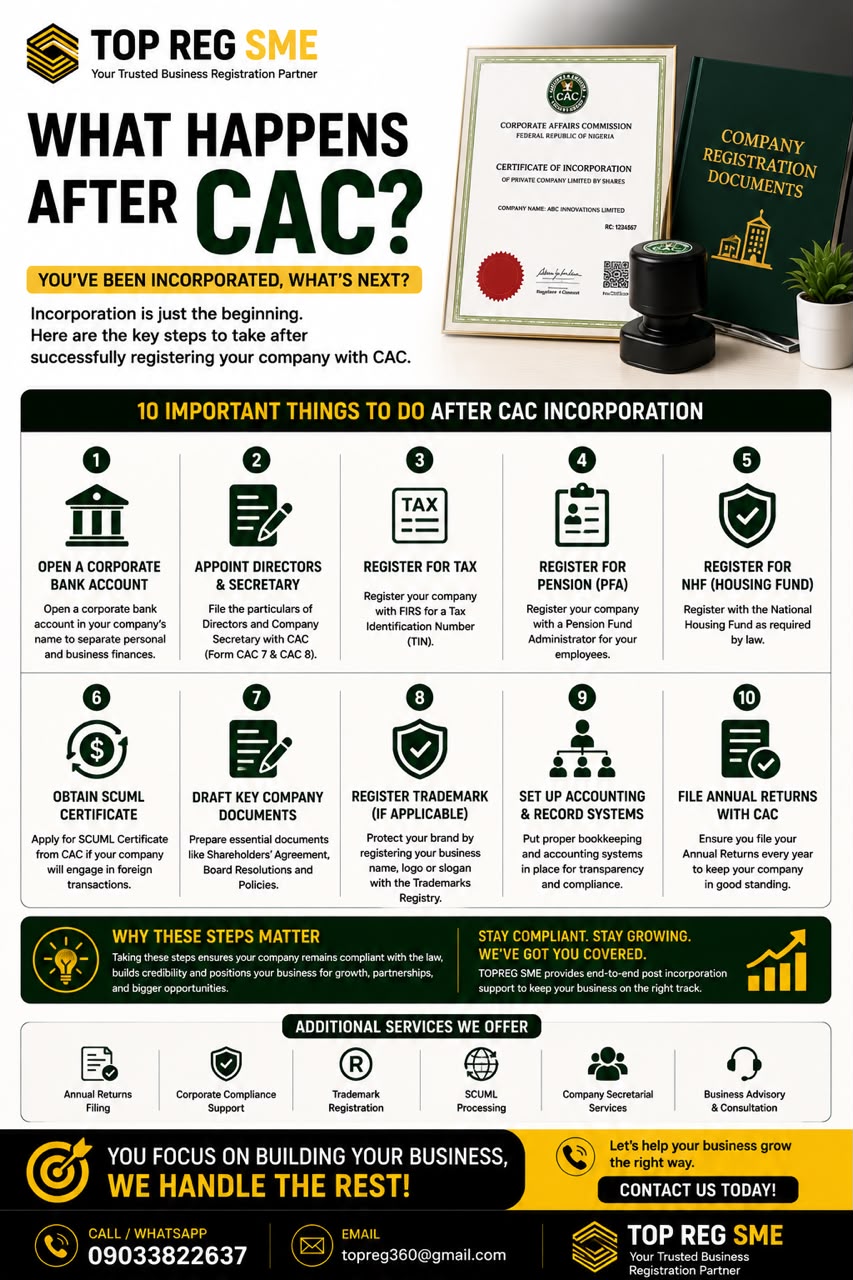
What Happens After CAC Registration?
Many business owners believe the registration process ends once they receive their CAC Certificate. However, registering your business is only the first step. To operate legally and position your business for growth, there are several important post-registration activities to complete.

Reasons to Upgrade from a Business Name to a Company
Many entrepreneurs start with a Business Name because it is simple and affordable. However, as the business grows, upgrading to a Limited Liability Company (Ltd.) becomes a strategic step that offers greater protection, credibility, and opportunities for expansion.
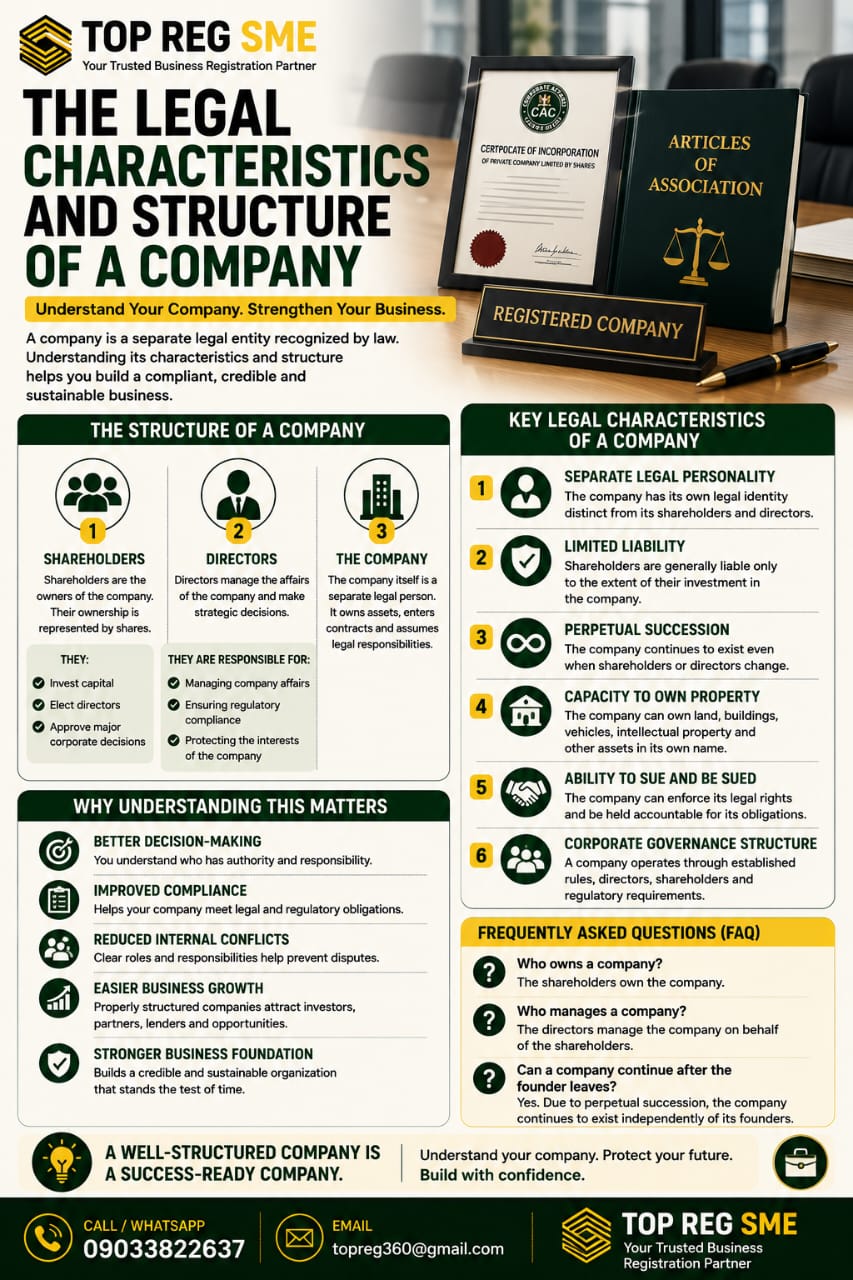
The Legal Characteristics and Structure of a Company
A company is a separate legal entity with its own rights, obligations, and responsibilities under the law. Understanding its legal characteristics and structure helps business owners make better decisions and build sustainable organizations
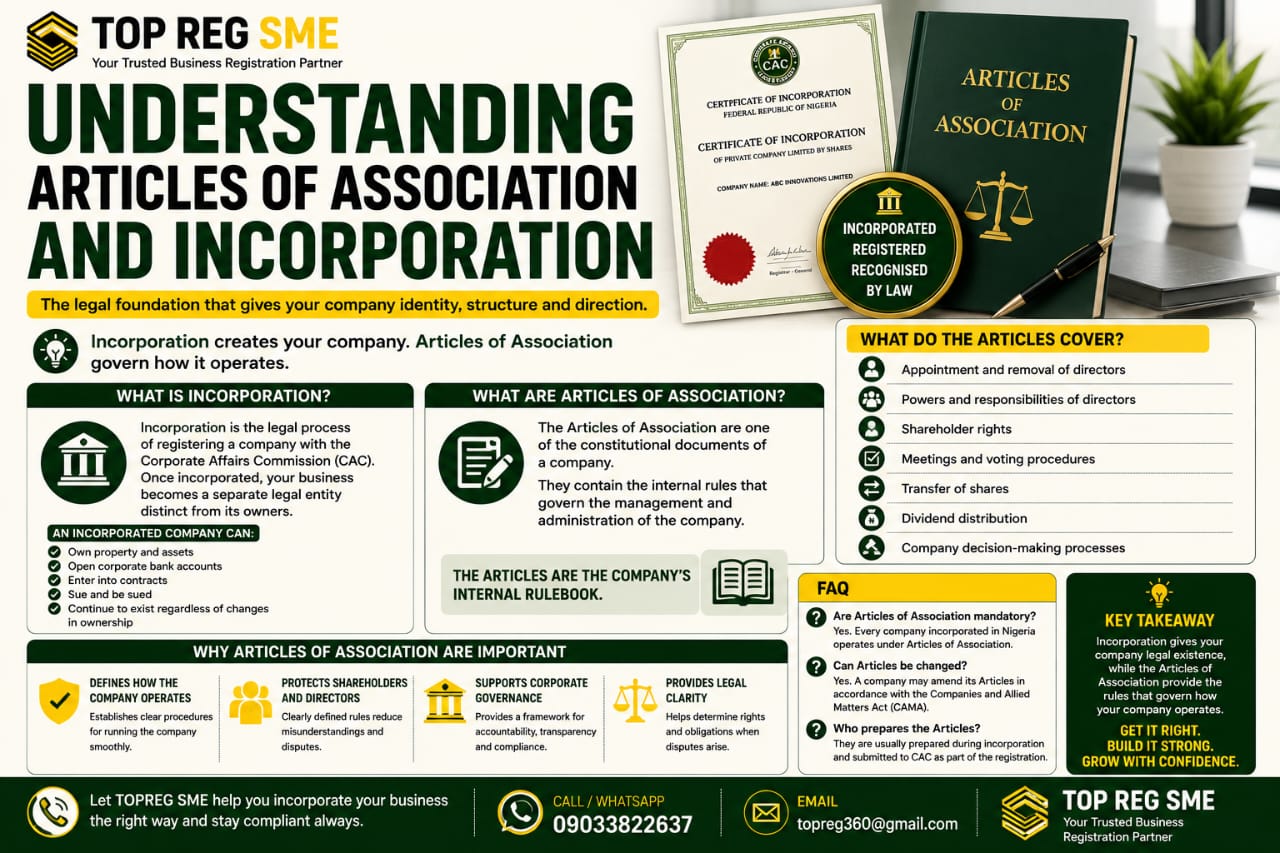
UNDERSTANDING ARTICLES OF ASSOCIATION AND INCORPORATION
Incorporation is the legal process of registering a company with the Corporate Affairs Commission (CAC), while the Articles of Association are the internal rules that govern how the company operates. Together, they form the legal foundation of every registered company in Nigeria.

WHY EVERY GROWING BUSINESS SHOULD REGISTER BEFORE IT'S TOO LATE
Many entrepreneurs wait until they need a contract, investor, or bank account before registering their businesses. By then, delays and missed opportunities may already have occurred. Early registration helps businesses grow with confidence and credibility.

Why Banks Refuse to Open Corporate Accounts for Some Registered Businesses
Many entrepreneurs assume that once they receive their CAC registration documents, opening a corporate bank account will be automatic. However, this is not always the case. Every year, business owners are surprised when banks request additional documents, ask compliance-related questions, or even decline account opening applications despite the business being duly registered. Understanding why this happens can help business owners prepare properly and avoid unnecessary delays.
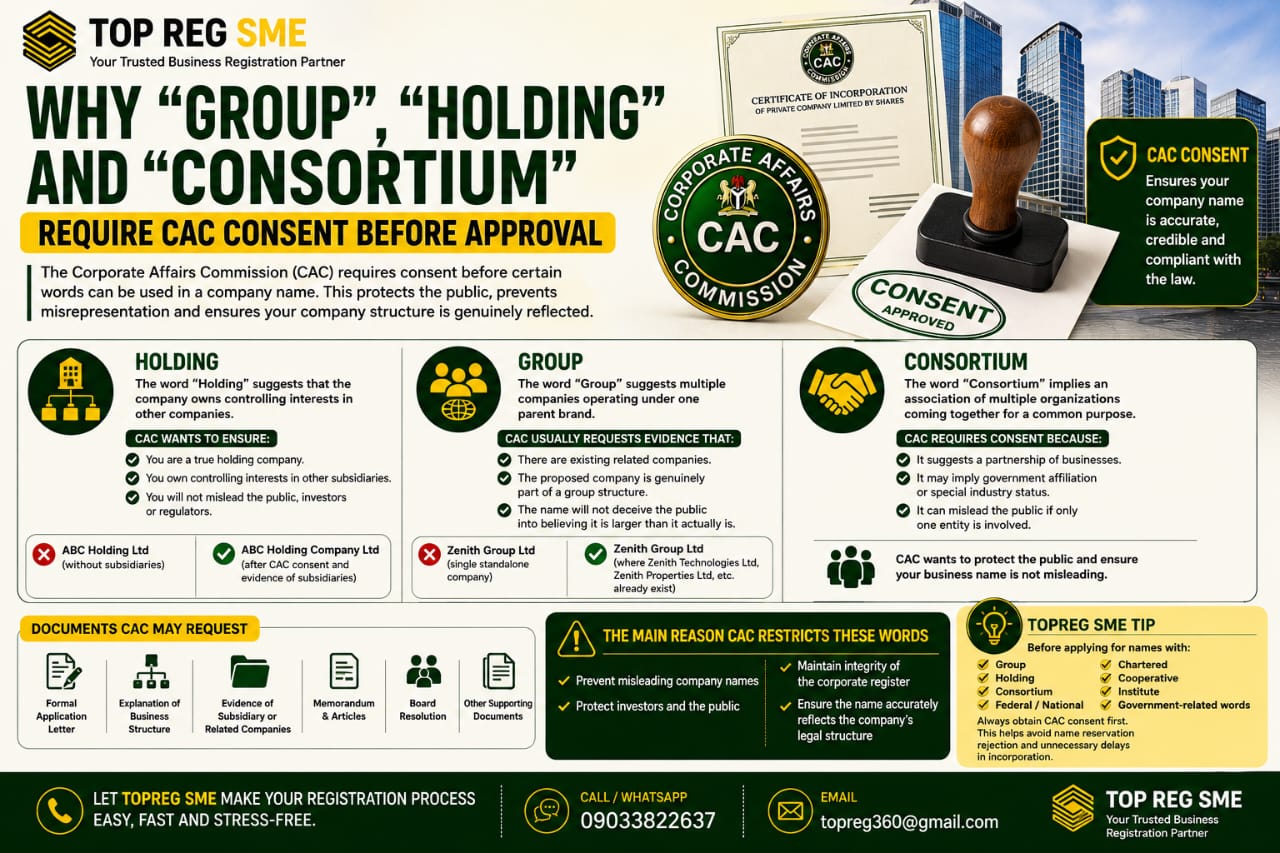
Why “Group Holding” and “Consortium” Require CAC Consent Before Approval
Many entrepreneurs become confused when their CAC name reservation application is placed on hold or marked for additional review because it contains words such as "Group," "Holding," or "Consortium." In many cases, applicants assume these words can be used freely. However, the Corporate Affairs Commission (CAC) treats these terms differently because they carry specific legal and corporate implications. Understanding why these words require consent can help business owners avoid registration delays and improve their chances of obtaining approval.
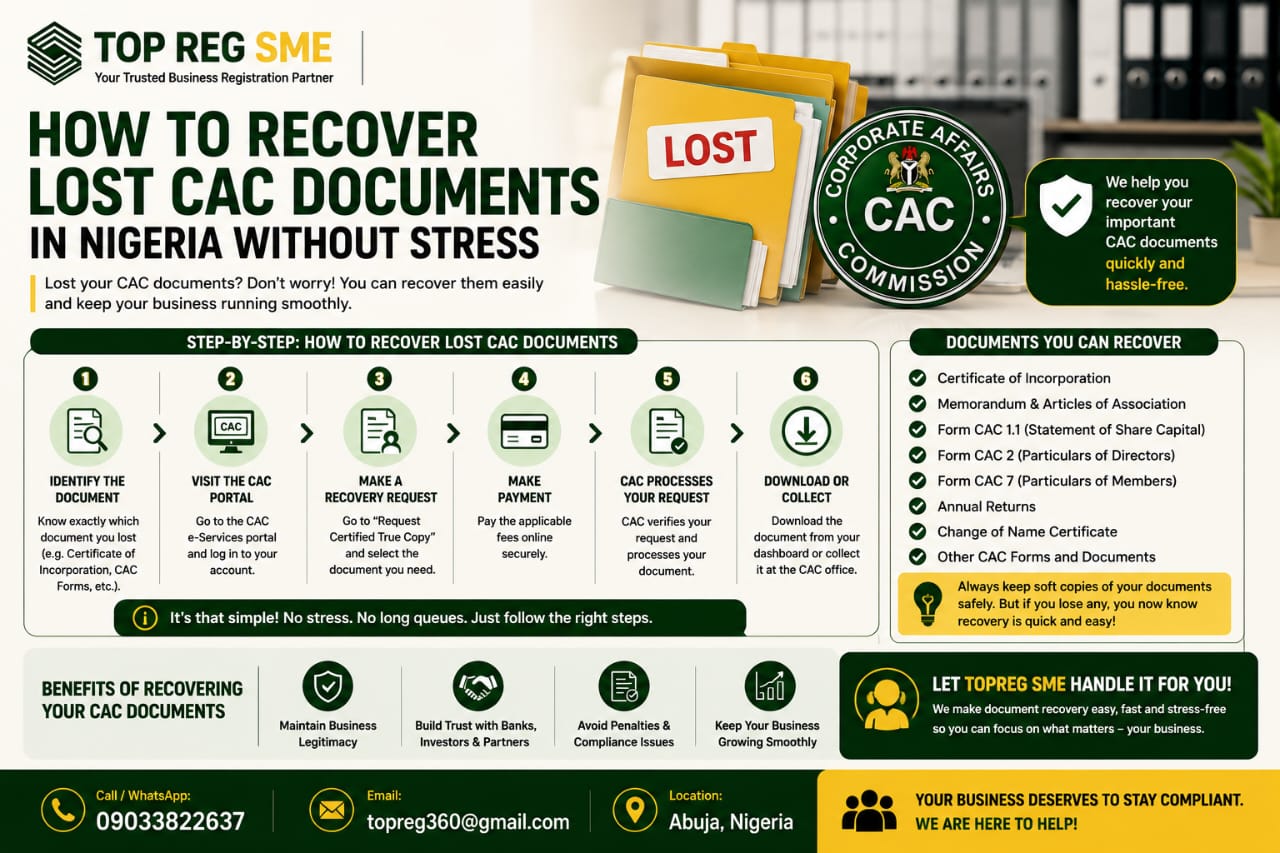
How to Recover Lost CAC Documents in Nigeria Without Stress
Corporate Affairs Commission (CAC) documents are among the most important records every registered business should keep safe. These documents serve as proof of registration and are often required for banking transactions, loan applications, government contracts, tax compliance, and other corporate activities. Unfortunately, many business owners discover that their CAC documents have been misplaced, damaged, or completely lost. While this situation can be frustrating, it is important to know that lost CAC documents can be recovered through the proper channels. This article explains how to recover lost CAC documents in Nigeria without unnecessary stress or delays.
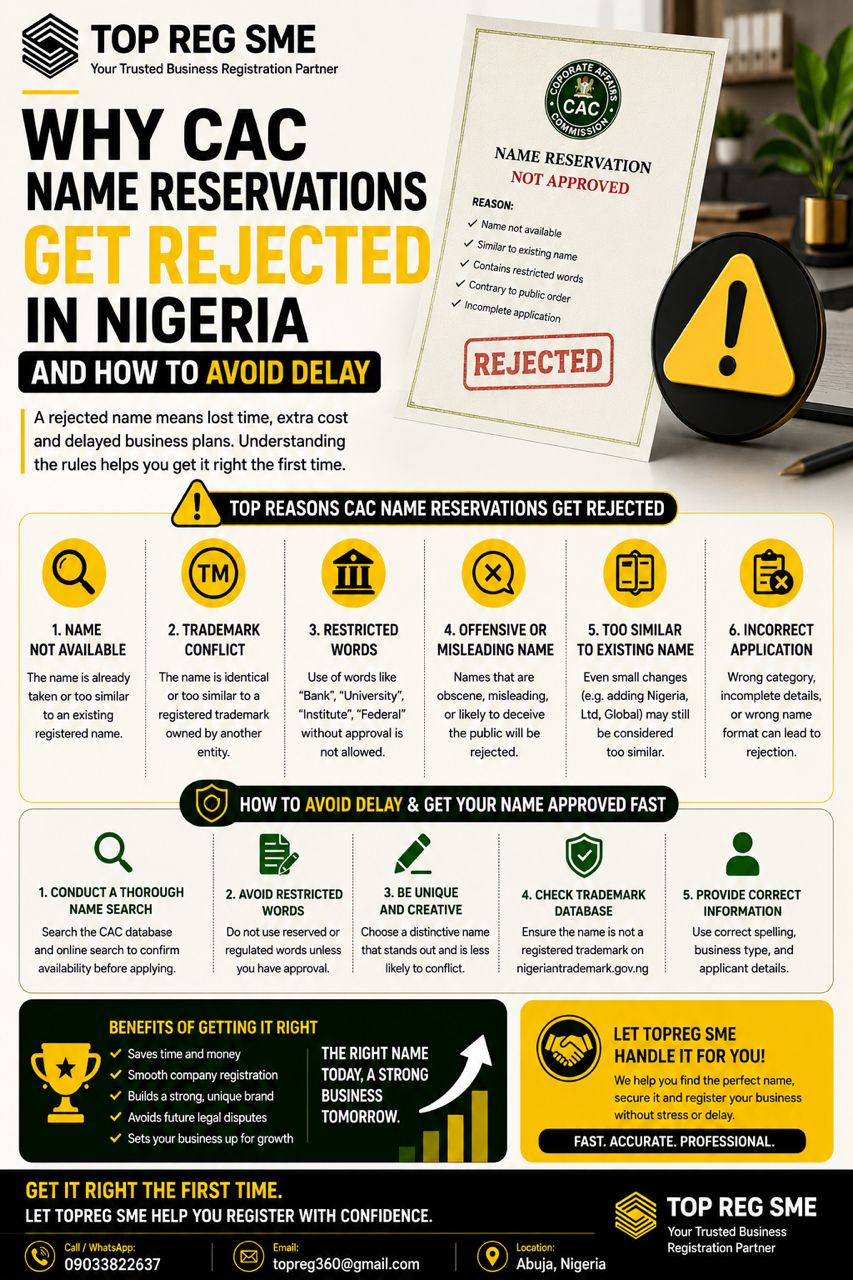
Why CAC Name Reservations Get Rejected in Nigeria and How to Avoid Delays
One of the first steps in registering a business or company in Nigeria is obtaining approval for your proposed name from the Corporate Affairs Commission (CAC). However, many applicants encounter delays when their name reservation is rejected. Understanding the common reasons behind these rejections can help entrepreneurs save time, avoid frustration, and improve their chances of securing approval on the first attempt.

The Role of CAC in Strengthening Nigeria’s Formal Economy
Quick Answer The Corporate Affairs Commission (CAC) plays a key role in strengthening Nigeria’s formal economy by ensuring that businesses and organizations are properly registered, regulated, and recognized under the law. This improves transparency, boosts investor confidence, and supports economic growth.

Understanding the CAC Registration Process for Limited Liability Companies in Nigeria
Quick Answer Registering a Limited Liability Company (Ltd) with CAC involves name reservation, document submission, director details, and approval by the Corporate Affairs Commission. It creates a separate legal identity for your business.

How CAC Registration Can Help You Win More Business Opportunities
Quick Answer CAC registration increases business credibility and opens doors to contracts, partnerships, grants, and financing opportunities that may not be available to unregistered businesses.
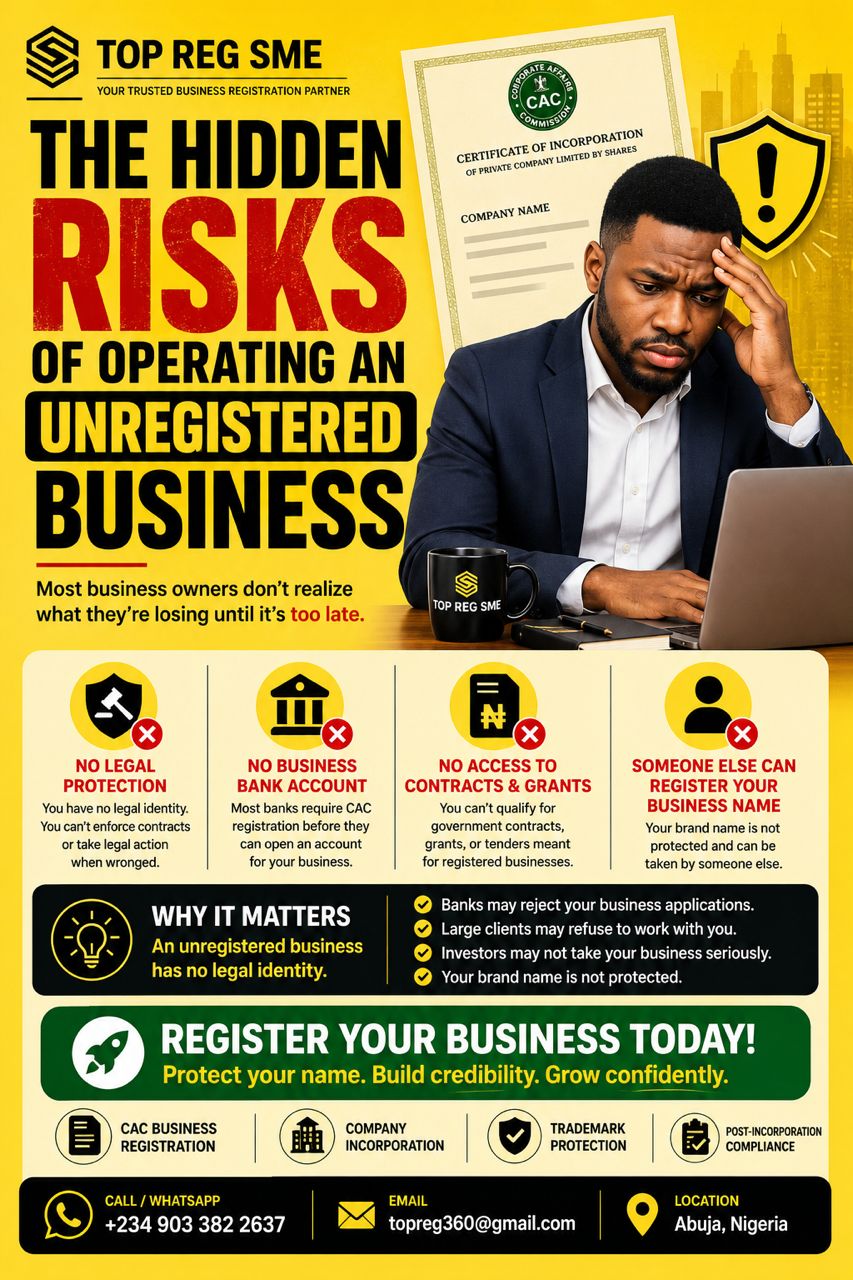
The Hidden Risks of Operating an Unregistered Business in Nigeria
Quick Answer Operating an unregistered business may seem convenient at first, but it exposes business owners to legal, financial, and operational challenges that can affect long-term success.

Why Every NGO Should Be Properly Registered in Nigeria
Quick Answer: Every NGO in Nigeria should be properly registered with the Corporate Affairs Commission (CAC) because registration provides legal recognition, increases public trust, and enables access to funding, bank accounts, and formal partnerships. Unregistered NGOs face limitations in credibility, financial operations, and long-term sustainability.

Can I Change My Company Email Address with CAC?
Yes. A company can update its official email address with the Corporate Affairs Commission (CAC) when necessary. This process helps ensure that the company's records remain accurate and that official communications are received through the correct email address.

Common Mistakes People Make During CAC Registration
Registering a business is exciting, but many entrepreneurs make mistakes that can cause delays or future problems.

Why Annual Returns Matter for Your Business
Many business owners assume that once their business is registered with CAC, there is nothing else to do. However, every registered business and company is required to file Annual Returns to keep its records up to date.

Why CAC Registration is Important for Every Business in Nigeria
Starting a business in Nigeria is a big step, but registering your business with the Corporate Affairs Commission (CAC) is one of the most important decisions every business owner should make. CAC registration gives your business legal recognition and helps build trust with customers and clients.

Top Benefits of Registering Your Business Name in Nigeria
Starting a business without proper registration can limit growth opportunities and reduce customer trust. In Nigeria, registering your business name with the Corporate Affairs Commission (CAC) is an important step toward building a successful and legally recognized business.
Why Every Startup in Nigeria Should Register with CAC
Many small business owners in Nigeria delay registering their businesses because they feel it is unnecessary or stressful. However, registering your business with the Corporate Affairs Commission (CAC) is one of the best decisions you can make for your startup.

aje
Aje is fun
The Power of Innovation in Driving Business Growth
Innovation is the key driver behind business success. In this blog, we delve into how businesses can leverage innovation to stay ahead of the curve and achieve sustainable growth